You have a logo. You know roughly how many shirts you need. But then someone asks: do you want DTF, screen printing, or embroidery?
If you’re not a decorator, those three options can feel like a trick question. They’re all “printing on shirts” — but they produce very different results, at very different price points, for very different use cases.
When comparing DTF printing vs screen printing vs embroidery, the right answer depends on your artwork, your quantity, and how the garment will be used.
This guide breaks it down in plain language so you can walk into your next order knowing exactly what you want and why.
DTF Printing vs Screen Printing vs Embroidery: Which Method Wins?
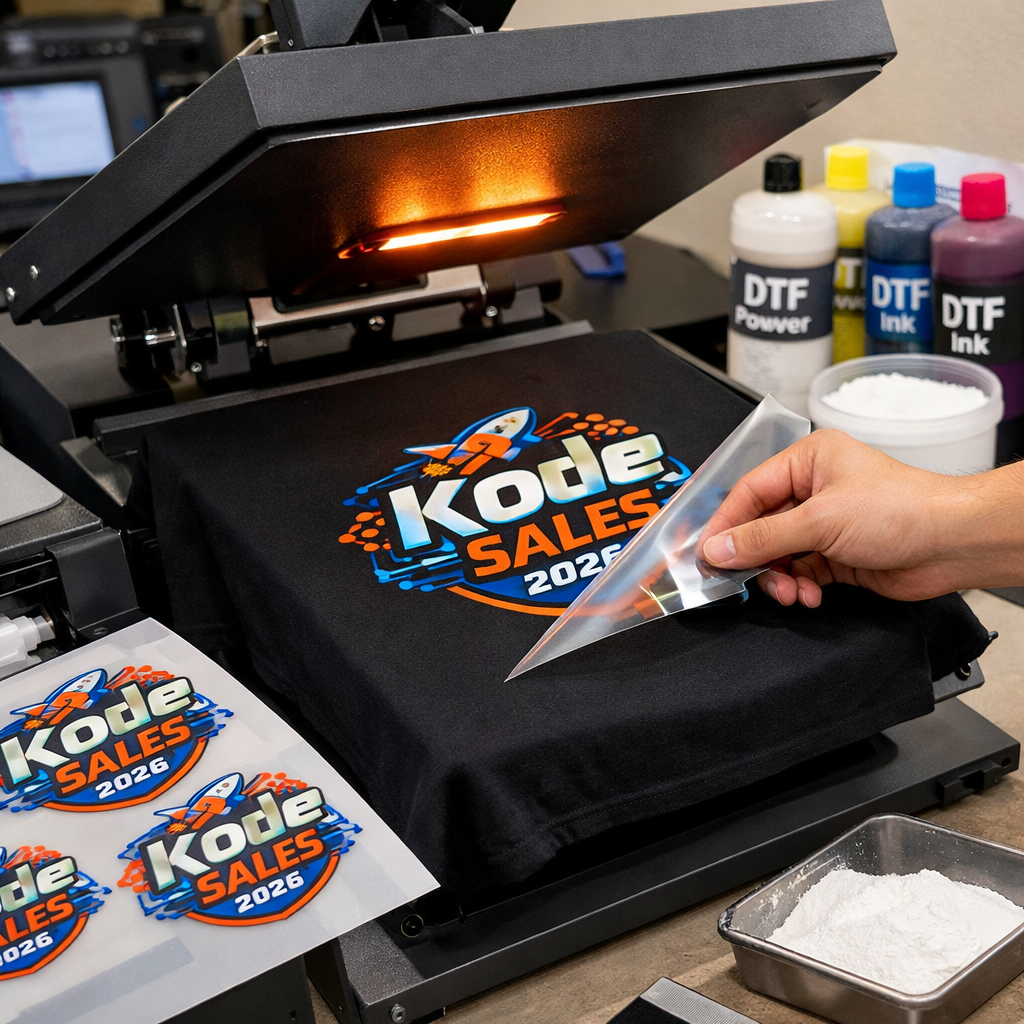
DTF stands for direct to film. A design is printed onto a special film, a hot-melt adhesive powder is applied, and the transfer is then heat-pressed onto the garment.
The result is a vibrant, full-colour print with sharp edges and excellent detail — including gradients, fine lines, and photographic imagery that other methods struggle with.
DTF works on almost any fabric — cotton, polyester, blends, and even hard-to-decorate materials like nylon and denim. There’s no minimum order requirement for the transfer itself, which makes it ideal for small runs, sample orders, and custom one-offs.
DTF is best for:
- Full-colour or complex artwork with gradients and fine detail
- Small to medium runs (1 to 300 pieces)
- Polyester and performance fabrics
- Fast turnaround orders
- Businesses that want vibrant, modern-looking decoration
DTF is not ideal for:
- Very large bulk orders where screen printing becomes more cost-effective
- Situations where a raised, textured feel is preferred (embroidery wins there)
What is Screen Printing?
Screen printing is the oldest and most widely used decoration method in the apparel industry. Ink is pushed through a mesh screen — one screen per colour — directly onto the fabric. The result is a flat, opaque print with bold, solid colour.
Screen printing excels at bulk. Once the screens are set up, the per-unit cost drops significantly with volume, making it the most cost-effective method for large orders of the same design.
The tradeoff is setup cost and colour limitations. Each colour in your design requires a separate screen, so full-colour photographic designs become expensive quickly. Screen printing works best with simple, bold artwork — logos, text, and graphics with defined colour areas.
Screen printing is best for:
- Large bulk orders (72 pieces and up is where it becomes cost-effective)
- Simple artwork with 1 to 4 solid colours
- Cotton garments
- Classic, flat ink look
- Uniforms, event shirts, and promotional apparel
Screen printing is not ideal for:
- Small runs — setup costs make short runs expensive per unit
- Complex full-colour or photographic designs
- Polyester and performance fabrics (ink can bleed or crack)
What is Embroidery?
Embroidery stitches your design directly into the fabric using thread. It produces a raised, textured result that looks and feels premium — which is exactly why it dominates workwear, corporate apparel, and anything where a professional appearance matters.
Your artwork is converted into a digitized stitch file before production. This setup step (called digitizing) is a one-time cost that’s saved for future reorders. Once digitized, embroidery is extremely consistent and durable — it won’t crack, fade, or peel the way prints can over time.
Embroidery works best on structured garments — polos, hats, jackets, fleece, and bags. It’s less suited to soft, stretchy fabrics where the stitching can distort.
Embroidery is best for:
- Workwear and trades uniforms
- Corporate and professional apparel
- Hats, caps, and structured headwear
- Polo shirts and jackets
- Anything where durability and a premium look matter
Embroidery is not ideal for:
- Large, complex designs with fine detail or gradients (thread can’t replicate photographic detail)
- Very thin or stretchy fabrics
- Full-front or oversized graphics (embroidery is best for left-chest logo placement)
Side-by-Side Comparison
| DTF Printing | Screen Printing | Embroidery | |
|---|---|---|---|
| Best for | Full colour, small runs | Bulk, simple artwork | Workwear, professional look |
| Minimum order | 1 piece | 24–72 pieces typically | 1 piece |
| Colour flexibility | Unlimited | Limited by screens | Limited by thread |
| Durability | Very good | Very good | Excellent |
| Best fabrics | Most fabrics | Cotton | Structured fabrics |
| Turnaround | Fast | Moderate | Moderate |
| Price at low qty | Cost-effective | Expensive | Moderate |
| Price at high qty | Moderate | Most cost-effective | Moderate |
Which Method is Right for Your Industry?
Trades and landscaping crews: Embroidery for polos, jackets, and hats. DTF for hi-vis vests and polyester safety wear where embroidery isn’t practical.
Schools and sports teams: DTF for full-colour spirit wear, hoodies, and event shirts. Screen printing for large uniform runs with simple artwork.
Gyms and fitness brands: DTF is the clear winner — vibrant graphics on performance fabric, no minimums for member drops, sharp detail on bold fitness branding.
Restaurants and hospitality: Embroidery for aprons, polos, and staff shirts. DTF for casual tees and event uniforms.
Decorators and resellers: DTF for versatility and fast turnaround. Screen printing for large contract runs. Embroidery for corporate and workwear clients.
What About Cost?
Decoration costs depend on order size, design complexity, and the method chosen. Here’s a general framework:
For small orders under 24 pieces, DTF is almost always the most cost-effective choice. There’s no screen setup fee, no minimum, and turnaround is fast.
For medium orders of 24 to 72 pieces, DTF and screen printing are competitive. DTF wins on colour complexity, screen printing wins on simple bold designs.
For large orders over 72 pieces with simple artwork, screen printing typically becomes the most cost-effective per-unit option.
Embroidery pricing is based on stitch count rather than colour count — a simple left-chest logo is affordable at any quantity, while a large complex back design will carry a higher setup and per-piece cost.
The Honest Answer
Most businesses end up using more than one method. A landscaping company might order embroidered polos for their crew leads and DTF-printed t-shirts for summer crews / labourers. A gym might use DTF for member hoodies and embroidery for staff jackets.
The right method depends on your garment, your artwork, your quantity, and how the finished piece will be used. A good decorator will walk you through the options and recommend the most cost-effective approach for your specific order.
Ready to Figure Out Which Method is Right for You?
At Kode Garment we work with businesses, teams, crews, and brands across Canada. Tell us what you’re making — the garment, the design, the quantity, and the deadline — and we’ll recommend the right decoration method and send you a clear quote with no surprises.
📍 Based in Newmarket, Ontario · Shipping Canada-wide 📞 905-235-9444 or 1-877-788-5633 ✉️ info@kodegarment.com